What Is the Difference Between Adult and Pediatric CPR?
TLDR;
The key difference between adult and pediatric CPR lies in the force, depth, and technique of chest compressions and rescue breathing. Adults require deeper, more forceful compressions using two hands, while children and infants need gentler, age-appropriate compressions and rescue breaths due to their smaller, more fragile bodies.
Why Age-Specific CPR Matters in Life-Saving Situations
CPR techniques vary by age because the anatomy, physiology, and causes of cardiac arrest differ significantly between adults and children.
- Adult cardiac arrest is often caused by heart conditions.
- Pediatric arrest usually stems from breathing issues, such as choking or drowning.
Understanding these differences ensures appropriate and effective life-saving interventions.
How to Perform CPR on an Adult
Hand Placement for Adults
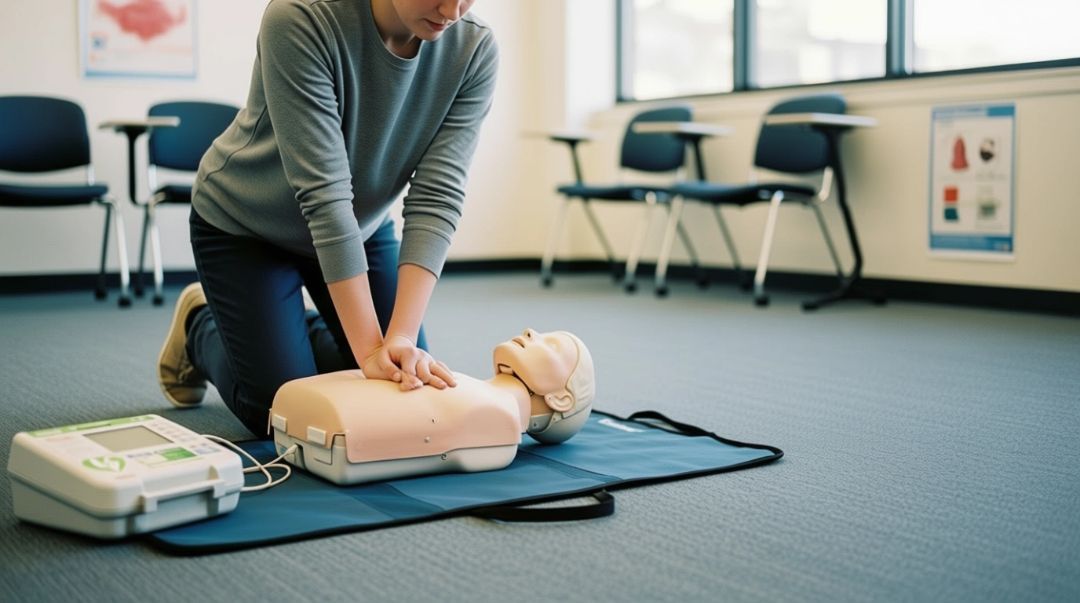
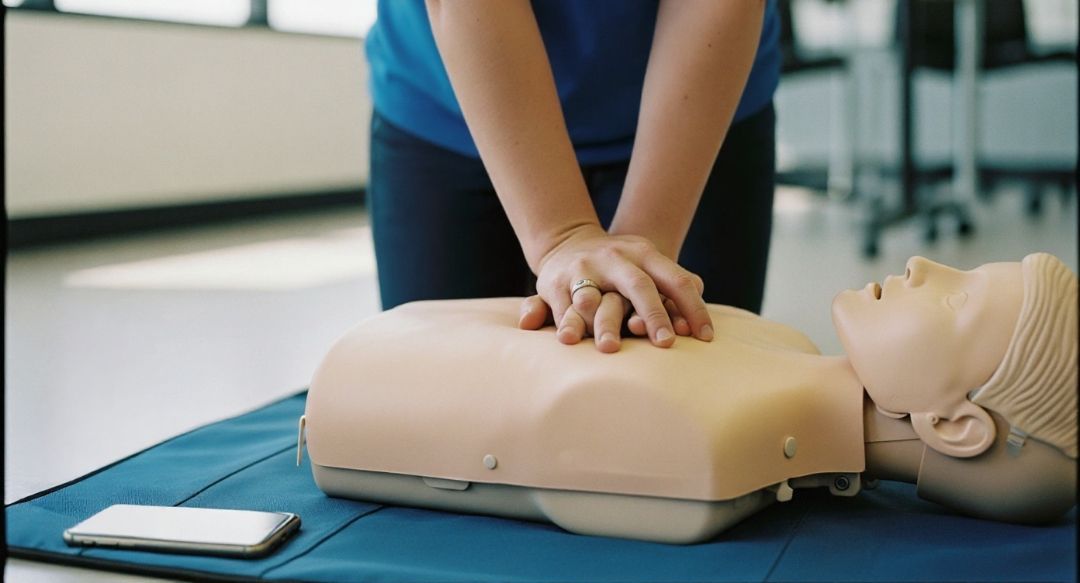
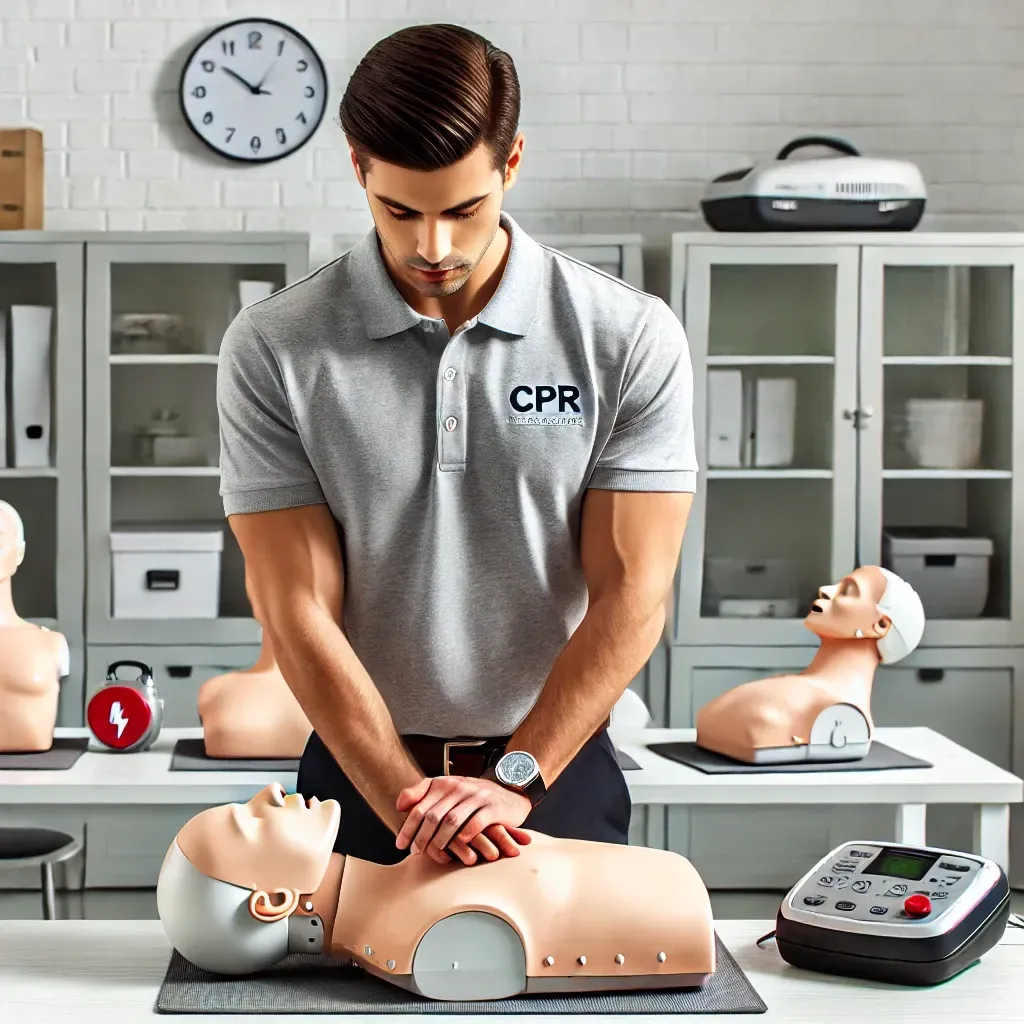
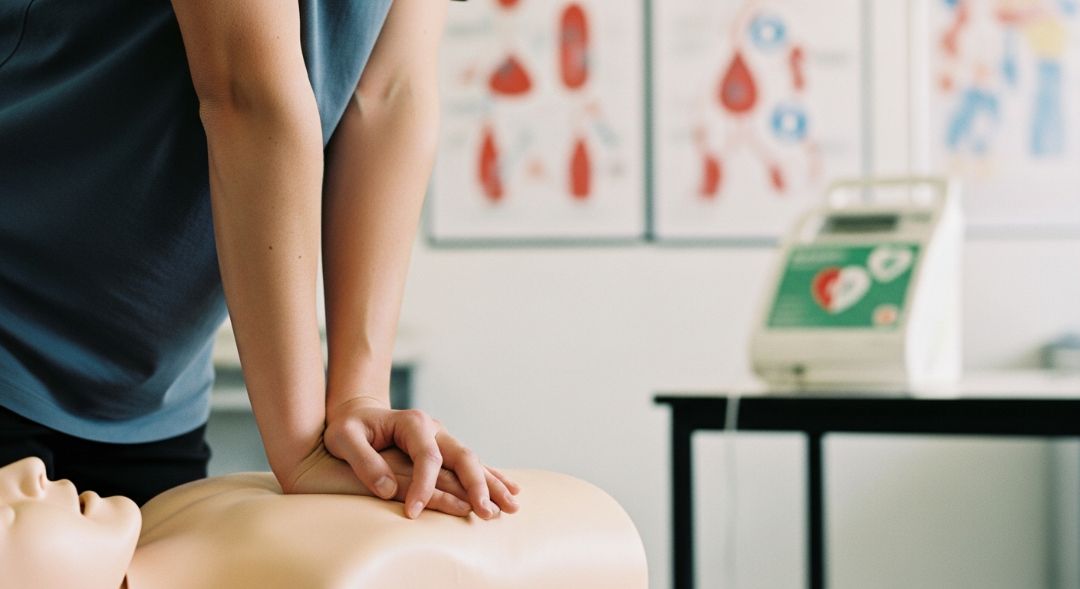
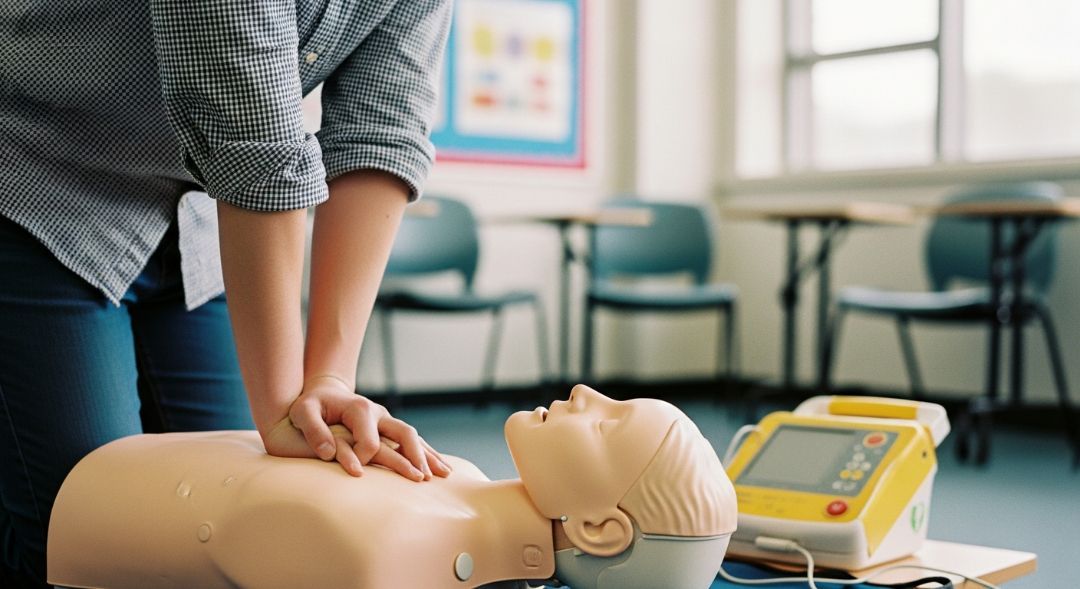
- Use two hands.
- Place the heel of one hand on the center of the chest (lower half of the sternum).
- Place your other hand on top, interlocking fingers.
- Keep arms straight and shoulders directly above hands.
Compression Depth and Rate for Adults
- Compress chest at least 2 inches deep (5 cm).
- Compression rate: 100–120 per minute.
- Allow full chest recoil between compressions.
Rescue Breathing for Adults
- Give 2 rescue breaths after every 30 compressions.
- Each breath should make the chest visibly rise.
- Avoid over-inflating—too much air can harm the lungs.
Using an AED on Adults
- Use standard adult pads.
- Attach pads as shown on AED diagram (upper right chest and lower left side).
- Follow AED prompts.
- Resume CPR immediately after shock is delivered or if no shock is advised.
Pediatric CPR: Techniques for Infants, Children, and Preteens
CPR for Infants (0–12 Months)
- Two fingers (index and middle) placed in the center of the chest, just below the nipple line.
- Compression depth: about 1.5 inches (4 cm).
- Compression rate: 100–120 per minute.
- Give gentle breaths, covering both mouth and nose.
- Maintain a 30:2 ratio for one rescuer, 15:2 for two rescuers.
CPR for Children (1–8 Years)
- Use one hand in the center of the chest (same spot as adult).
- If the child is larger, use two hands.
- Compression depth: about 2 inches.
- Maintain a compression rate of 100–120/min.
- Use gentle breaths that just make the chest rise.
CPR for Preteens and Teens (8+ Years)
- Treat similarly to adults, using two hands and 2-inch compressions.
- Rescue breaths and AED usage also mirror adult techniques.
Pediatric AED Considerations
- Use pediatric AED pads when available (for under 8 years or under 55 lbs).
- If not available, use adult pads but apply one pad to the chest and one to the back to avoid contact.
- AEDs with pediatric modes should be activated to adjust shock energy.
Adult vs Pediatric CPR: A Side-by-Side Comparison
| Category | Adult CPR | Pediatric CPR (Child & Infant) |
|---|---|---|
| Hand Placement | Two hands on chest center | One hand (child), two fingers (infant) |
| Compression Depth | At least 2 inches | ~2 inches (child), ~1.5 inches (infant) |
| Compression Rate | 100–120/min | 100–120/min |
| Compression:Breath | 30:2 (1 rescuer) | 30:2 (1 rescuer), 15:2 (2 rescuers) |
| Rescue Breaths | Full visible chest rise | Gentle breaths, cover mouth and nose |
| AED Pads | Standard adult pads | Pediatric pads or chest/back adult pads |
| Primary Cause of Arrest | Cardiac (e.g., heart attack) | Respiratory (e.g., choking, drowning) |
What to Do Before You Start CPR
When to Call Emergency Services
- Adults: Call 911 immediately, then begin CPR.
- Children and Infants: If you're alone, give 2 minutes of CPR first, then call 911.
When to Start CPR
- If the person is unresponsive and not breathing (or only gasping), begin CPR right away.
- Don’t check for a pulse if you're not trained—assume cardiac arrest.
How Sequence Differs for Children
- Children often suffer from asphyxial arrest. Focus first on rescue breaths, unlike adults.
- Always consider cause: trauma, airway obstruction, allergies, etc.
Using an AED: What Changes by Age
Adult AED Use
- Use adult pads and energy levels.
- Pads go on upper right chest and lower left side.
Pediatric AED Use
- Use child pads if available.
- Apply pads chest and back to prevent contact.
- Use pediatric mode if device allows.
- Never delay defibrillation due to pad unavailability.
Most Common Mistakes in CPR and How to Avoid Them
Adult CPR Errors
- Too shallow compressions
- Not allowing full chest recoil
- Over-inflating lungs with rescue breaths
- Wrong hand placement
Pediatric CPR Errors
- Using adult force on children/infants
- Failing to seal mouth and nose in infant breaths
- Incorrect pad placement on small bodies
- Delaying CPR while calling 911 (care-first for children)
Visual Learning Tools for CPR
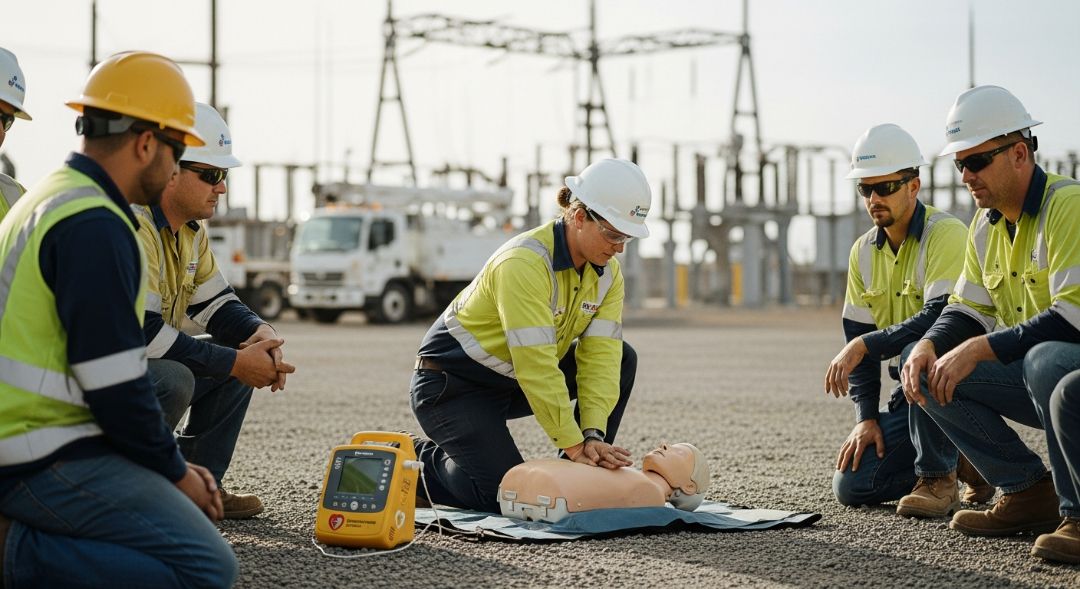
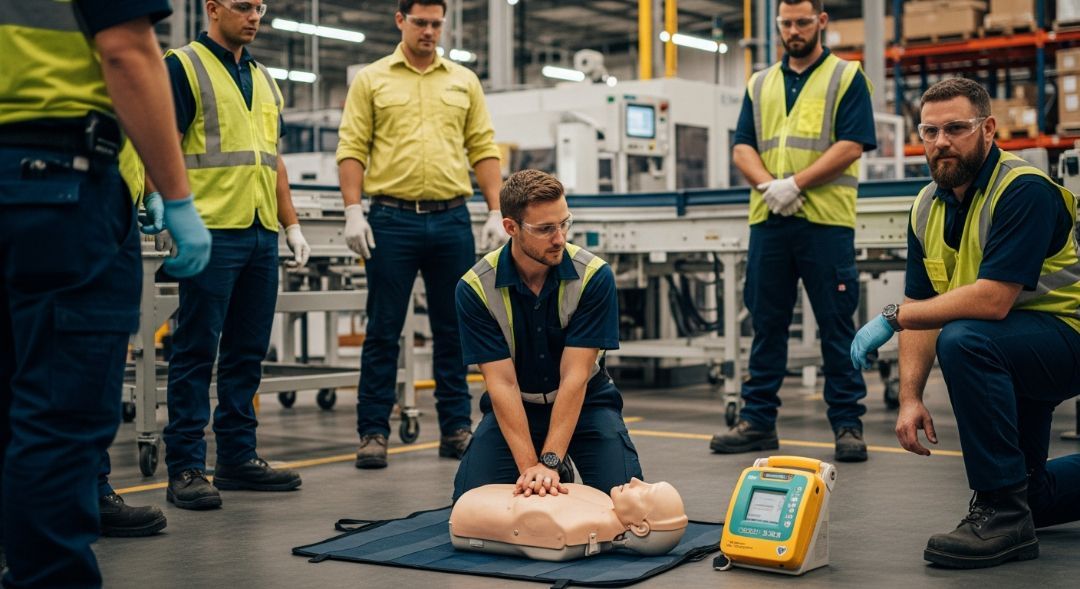
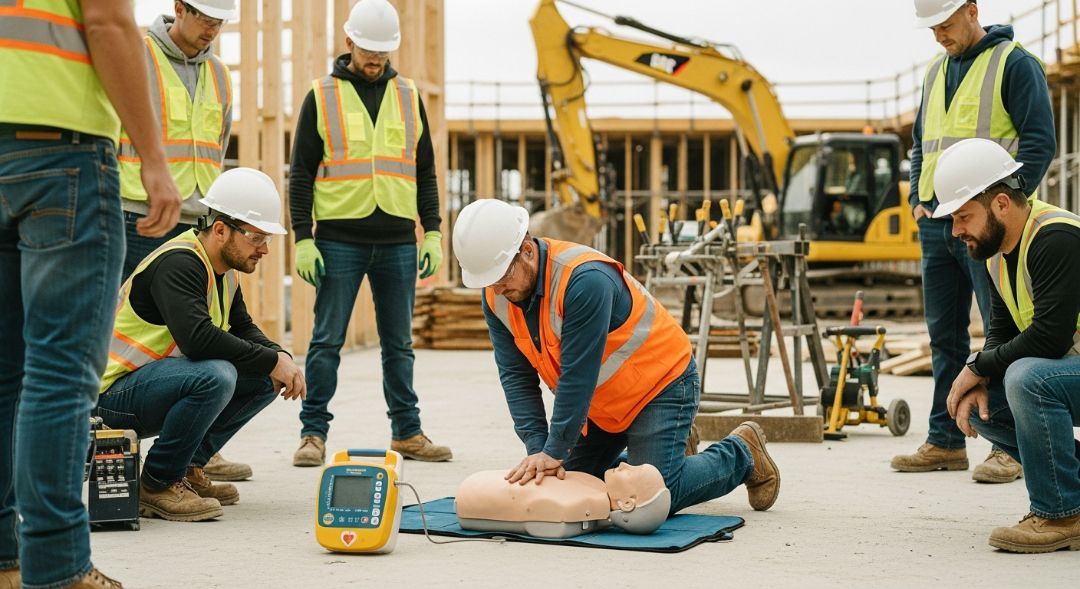
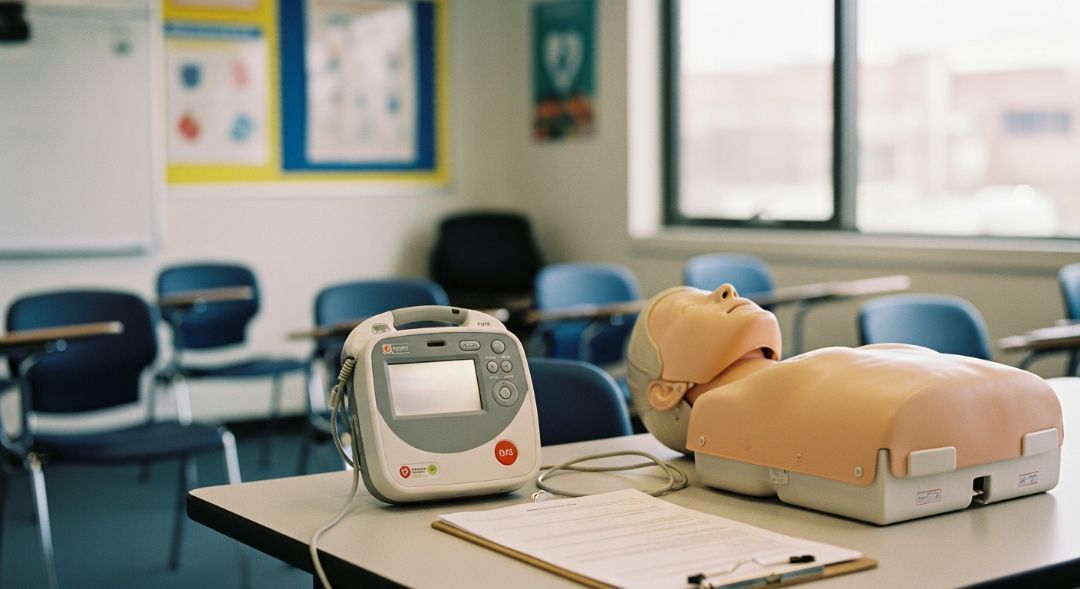
- Use infographics that show hand placement for different ages.
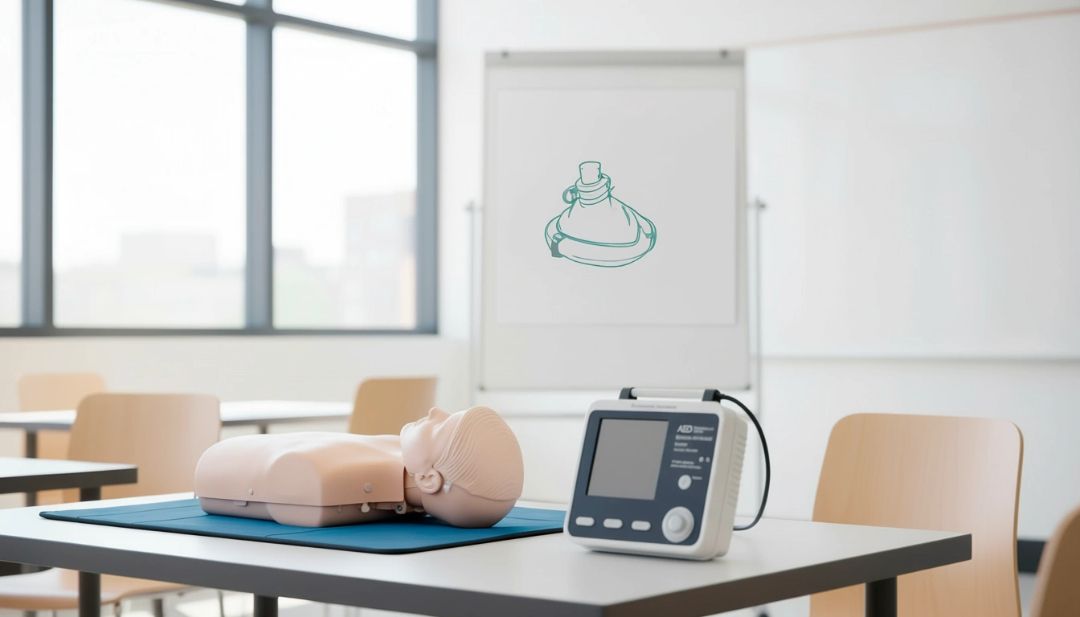
- Practice with mannequins to develop muscle memory.
- Video tutorials help reinforce learning visually.
- Add charts and CPR reference cards to home and workplaces.
FAQs: What People Often Ask About CPR
Can I Use Adult AED Pads on a Child?
Yes, if pediatric pads are unavailable, use adult pads. Place one on the chest, one on the back.
What’s the Age Cutoff for Pediatric CPR?
Generally:
Infants: under 1 year
Children: 1–8 years
Adults: 8+ years
What If I Forget the CPR Steps?
Follow the C-A-B sequence: Compressions, Airway, Breathing
Many AEDs provide real-time CPR instructions
Can CPR Break Ribs?
Yes. It’s common in adult CPR but not a reason to stop. Proper technique minimizes risk in children.
Should You Get Certified in CPR?
Absolutely. Knowing the steps is one thing—being ready to perform them under pressure is another. CPR Professionals offers training tailored to:
- Parents
- Teachers
- Childcare providers
- Workplace safety leaders
Classes follow American Heart Association and Red Cross standards, covering adult, child, and infant CPR techniques.